For years, many Americans knew the Italian giant Ferrero primarily as the luxury chocolatier behind Ferrero Rocher and the creator of the beloved hazelnut spread Nutella. However, a quiet but aggressive multibillion dollar shopping spree has fundamentally changed that identity. Today, the privately held company owns some of the most iconic staples of the American pantry, ranging from childhood favorites like Baby Ruth and Butterfinger to morning essentials such as Froot Loops and Frosted Flakes.
This transformation began in earnest around 2017 with the purchase of Fannie May, followed by a massive 2.8 billion dollar deal for Nestle’s US confectionery business. Not stopping there, Ferrero expanded into cookies and fruit snacks through Keebler and Famous Amos before recently completing a staggering 3.1 billion dollar acquisition of WK Kellogg. According to Michael Lindsey, president and chief business officer of Ferrero North America, the strategy is simple: instead of spending decades building brand recognition from scratch, they acquire deeply loved legacy brands and breathe new life into them.
The financial results of this pivot are striking. Just ten years ago, the United States accounted for only about four percent of Ferrero’s global revenue; today, that figure has climbed to fifteen percent. Annual US revenue has surged from roughly 600 million dollars in 2017 to approximately 3 billion dollars. To support this growth, Ferrero isn’t just buying names but is investing heavily in infrastructure, including a state of the art chocolate processing plant in Bloomington, Illinois, and a dedicated innovation center in Chicago where researchers tailor recipes to local preferences.
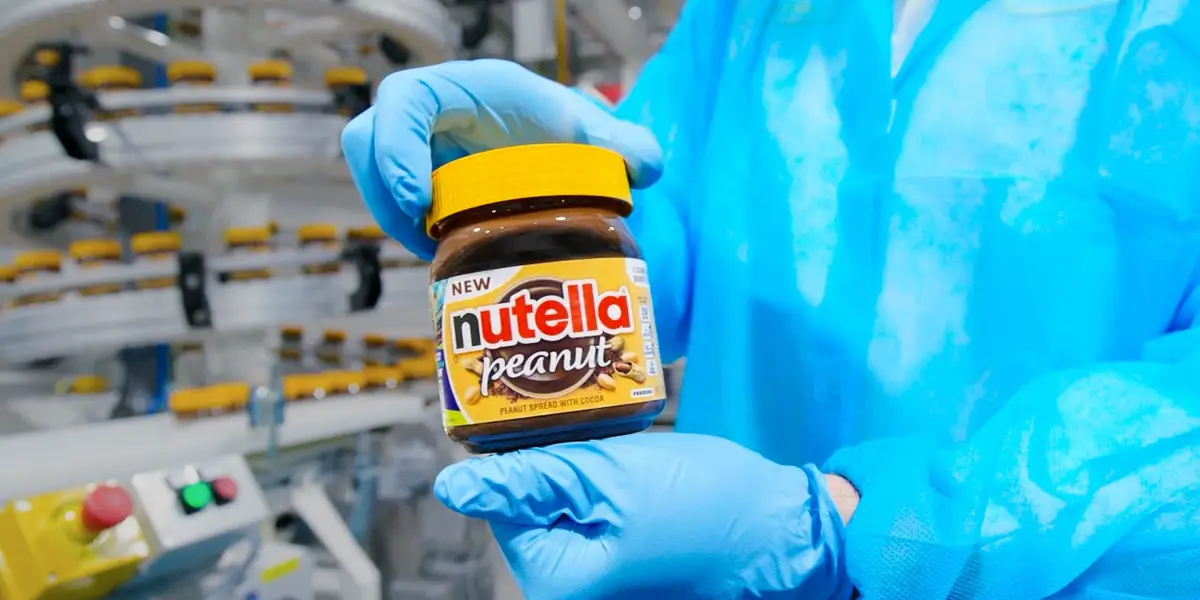
Adapting to the American palate has led to significant product shifts, most notably because US consumers favor milk chocolate over dark and have a distinct obsession with peanuts—a taste profile less common in Europe. This insight drove the development of Nutella Peanut, the first new flavor for the legendary spread in over sixty years. While facing challenges like declining sales trends in the cereal market, Ferrero remains bullish on its trajectory, aiming for a level of ubiquity similar to what giants like Coca Cola achieved early in their history.