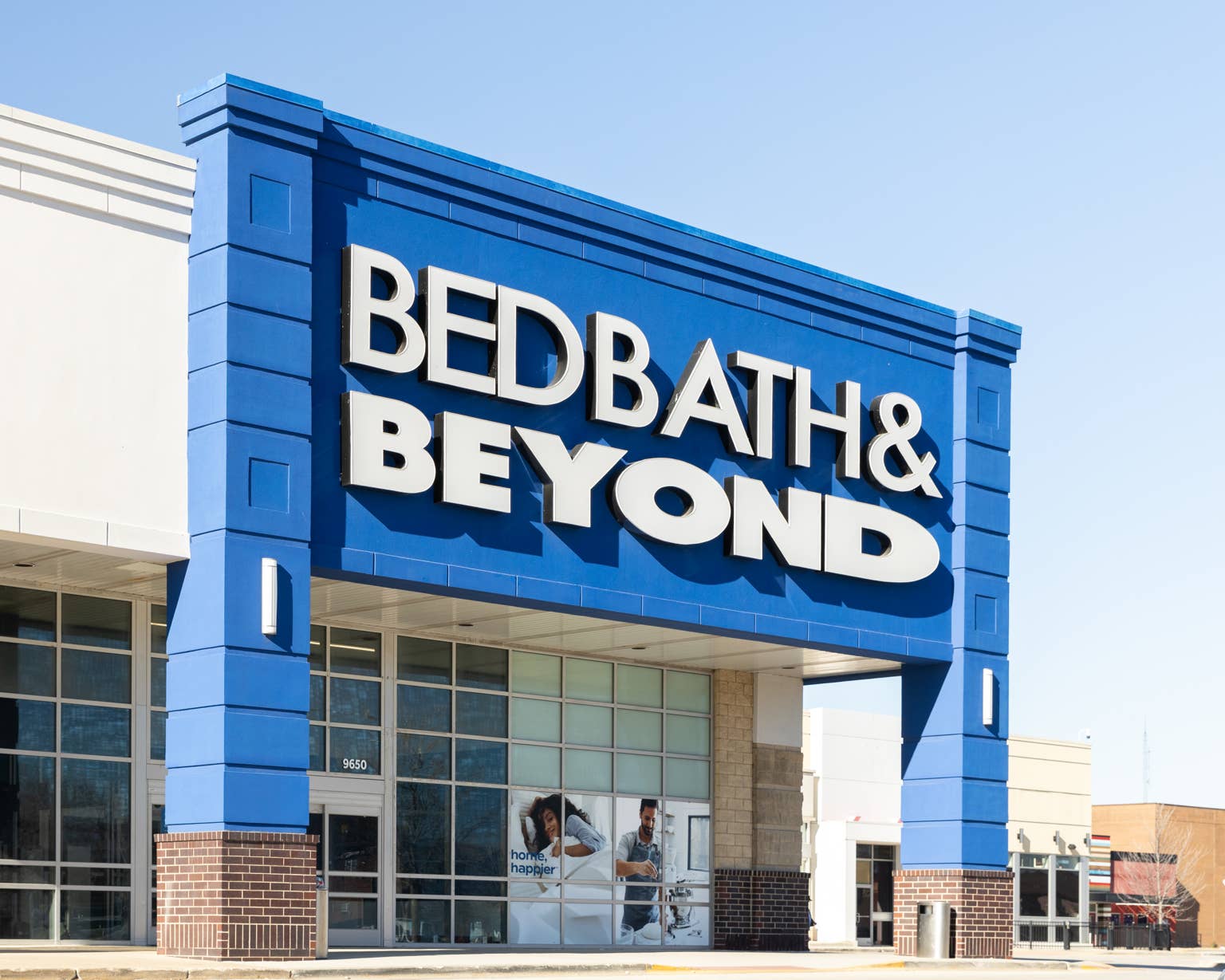
For years, Bed Bath & Beyond shoppers knew better than to make a purchase without first checking their mailboxes, kitchen drawers, or car glove compartments for a 20% off coupon.
The blue-and-white coupons became almost as recognizable as the retailer itself, helping make Bed Bath & Beyond a household name before its financial struggles forced it into bankruptcy in 2023.
Now, three years after closing its entire store network, the home goods chain is bringing back that familiar shopping tradition as it attempts another comeback.
The retailer opened a new standalone store in Glendale, Arizona, on Nov. 7, reviving its iconic towel wall, bedding displays, and, perhaps most importantly for longtime shoppers, the famous 20% off coupon.
But can nostalgia for the original shopping experience bring customers back to a brand that already failed once?
Bed Bath & Beyond brings back beloved 20% off coupons
The new 19,000-square-foot store at 7580 W. Bell Road is modeled on the retailer’s original format, with familiar displays alongside kitchen gadgets, home décor, and storage solutions from The Container Store.
According to a Nov. 5 company announcement, local residents will receive the iconic 20% off coupons through direct mail.
The grand opening also featured giveaways, including $500 gift cards for two customers who received specially designated coupons.
“We’re bringing back the things customers have always loved, from the iconic shopping experience to the brands, products, and value they remember,” Neighborhood Intelligence President Amy Sullivan said.
The store will also mark the return of the iconic towel wall. Once a defining feature of Bed Bath & Beyond stores, the towering displays of neatly stacked, color-coordinated towels allowed shoppers to compare colors, textures and styles in person.
By recreating the display, the retailer is hoping to restore a familiar shopping experience that online retail cannot fully replicate, giving longtime customers another reason to return to its physical stores.
The retailer’s return is part of a much broader turnaround strategy.
As TheStreet previously reported, Bed Bath & Beyond began rebuilding its physical retail presence earlier this year through co-branded stores with The Container Store.
The standalone location takes that strategy a step further by recreating more of the original shopping experience.
Its parent company, now called Neighborhood Intelligence, plans additional standalone stores in Minnesota, Florida, and Mississippi in 2027.
Research shows nostalgia can influence shoppers’ spending
Bed Bath & Beyond’s strategy comes as retailers increasingly turn to familiar brands, products, and experiences to reconnect with shoppers.
A 2025 survey commissioned by UserTesting found that 71% of 2,000 American respondents were more likely to purchase from brands associated with their childhood memories.
While loyalty and memory may interest shoppers, nostalgia alone cannot guarantee sales.
A separate June 2025 consumer-trends report from Vypr found that 41% of respondents appreciated nostalgia-driven shopping experiences but said they did not influence where they shopped.
More Retail:
- Struggling home goods chain closing more stores
- Verizon makes changes to be more like T-Mobile used to be
- Home Depot drops generous offers as customers grow harder to win
Another 23% prioritized good products over store design, while only 7% regularly purchased nostalgic products. In the end, it’s the products, quality, shopping experience, and money’s worth that will bring repeat customers, not just a brand name, which may end up providing subpar products.
The findings highlight the challenge facing Bed Bath & Beyond: Familiar displays and coupons may attract attention, but product selection, pricing and the overall shopping experience still matter.
And the emotional connection to the brand has not entirely disappeared.
In a January Reddit discussion, shoppers reminisced about collecting stacks of Bed Bath & Beyond coupons, sharing them with neighbors and using them for wedding registry purchases.
But other former customers expressed mixed feelings about the retailer’s pricing.
In a separate Reddit discussion, shoppers recalled enjoying the stores but questioned whether the merchandise was competitively priced, even after applying discounts.
Those reactions reflect a dilemma that the original retailer struggled to resolve.
Bed Bath & Beyond faces familiar challenge in its comeback
Bed Bath & Beyond’s frequent promotions helped attract loyal customers but also raised concerns about profitability.
Attempts to scale back coupons and replace popular national brands with private-label merchandise subsequently alienated shoppers.
In a 2023 analysis published by the Wharton School, marketing professor Barbara Kahn explained that the company’s decision to reduce coupons eliminated an important reason for customers to visit its stores.
The new management is attempting to restore that attraction while improving the company’s merchandise mix and financial performance.
Neighborhood Intelligence reported third-quarter revenue of $509 million, a 98% increase from the previous year, largely driven by acquisitions. However, the company also reported a $26 million net loss, compared with a $5 million loss a year earlier.
The company is also closing underperforming locations across its other retail brands to improve profitability. This makes its decision to revive the original Bed Bath & Beyond experience particularly significant.
The retailer has already demonstrated that customers remember its coupons, merchandise and familiar shopping environment. Its next challenge is proving that those memories can generate repeat visits and profitable sales as it prepares to open more stores in 2027.